On-Board Electric Traction: Meeting Mobility Demand
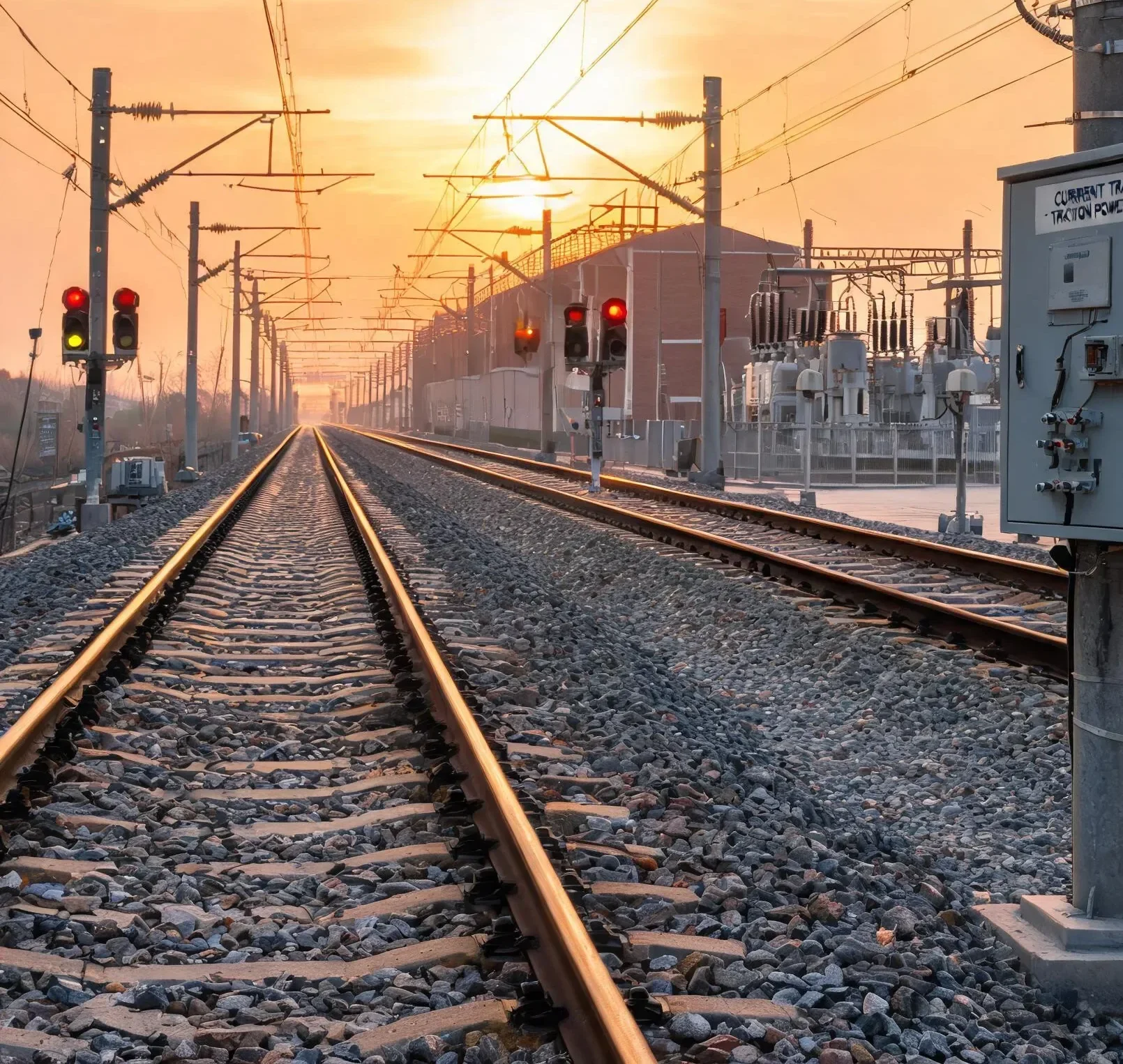
Modes of public transport such as high-speed trains, city transit systems (metro, trams, trolleybuses) and freight trains provide the ideal solution to meet the increased demand for more mobility whilst helping to fight pollution and traffic congestion. Power electronics are essential for driving and controlling energy in these systems.
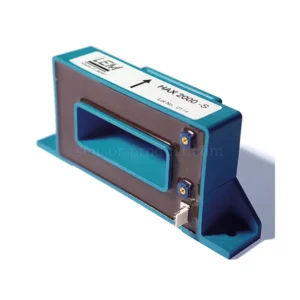
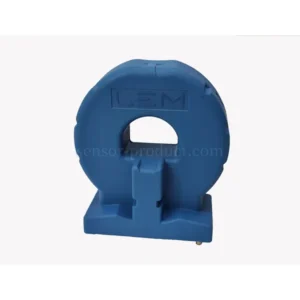
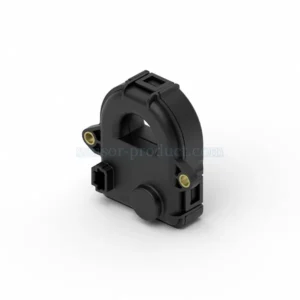
More than five decades of railway experience have contributed to establishing LEM as the market leader for on-board electrical measurement solutions. LEM engineers, manufactures, and delivers sensors, transducers, and energy meters worldwide to ensure efficient, safe, and reliable operation of railways.
Rail Traction: On-Board Electrical Measurement
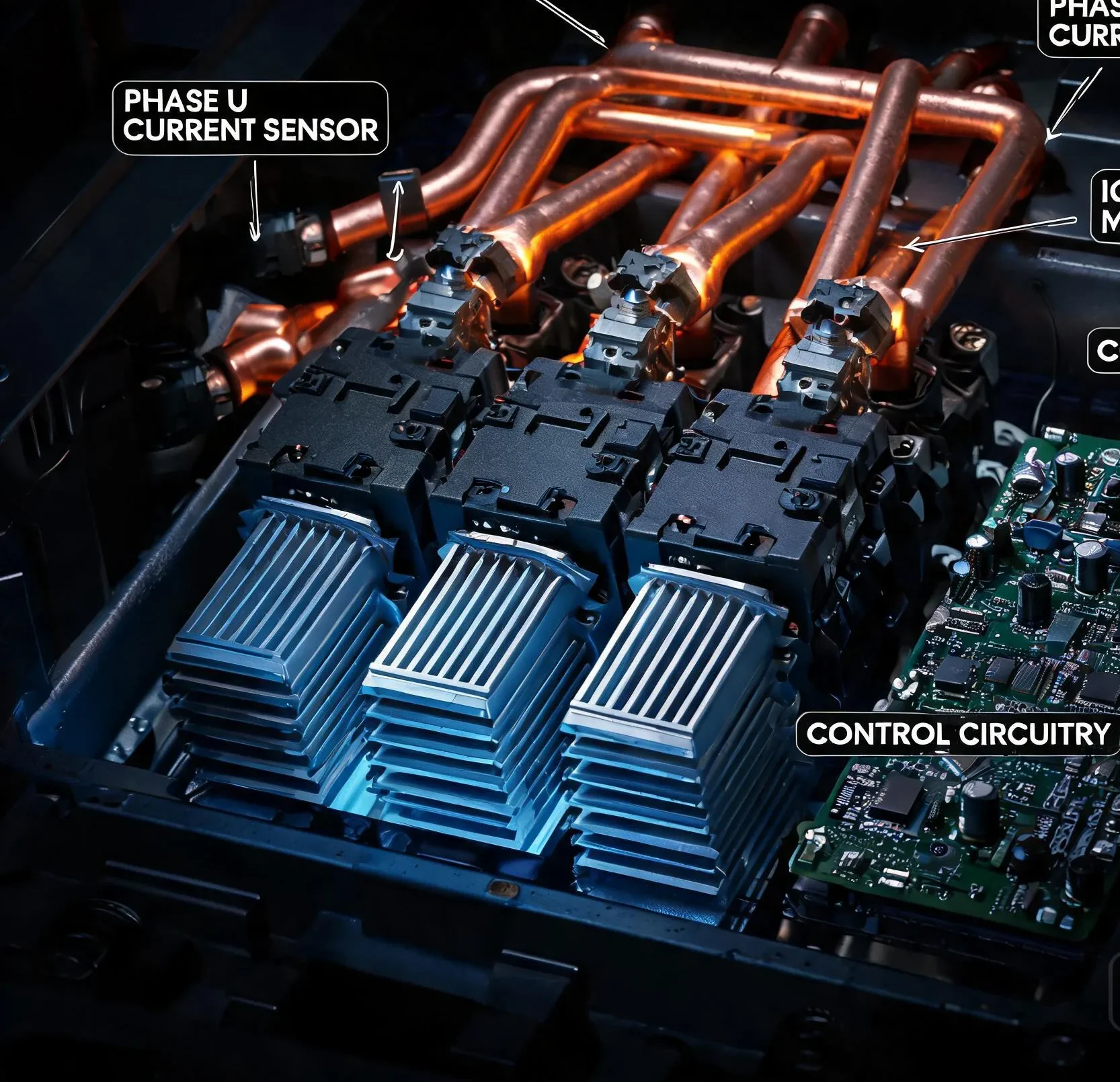
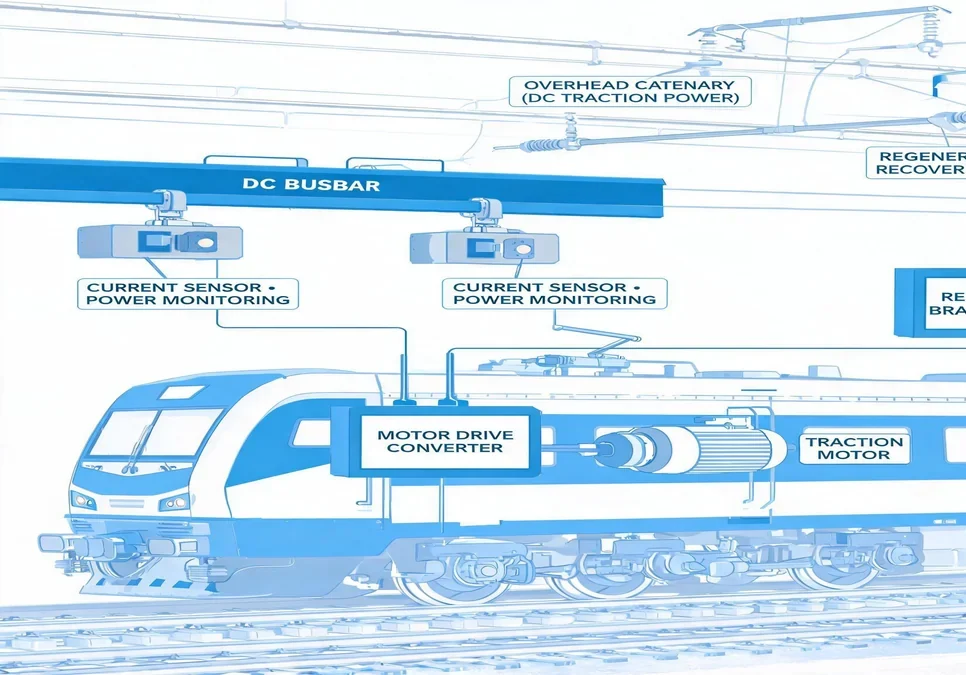
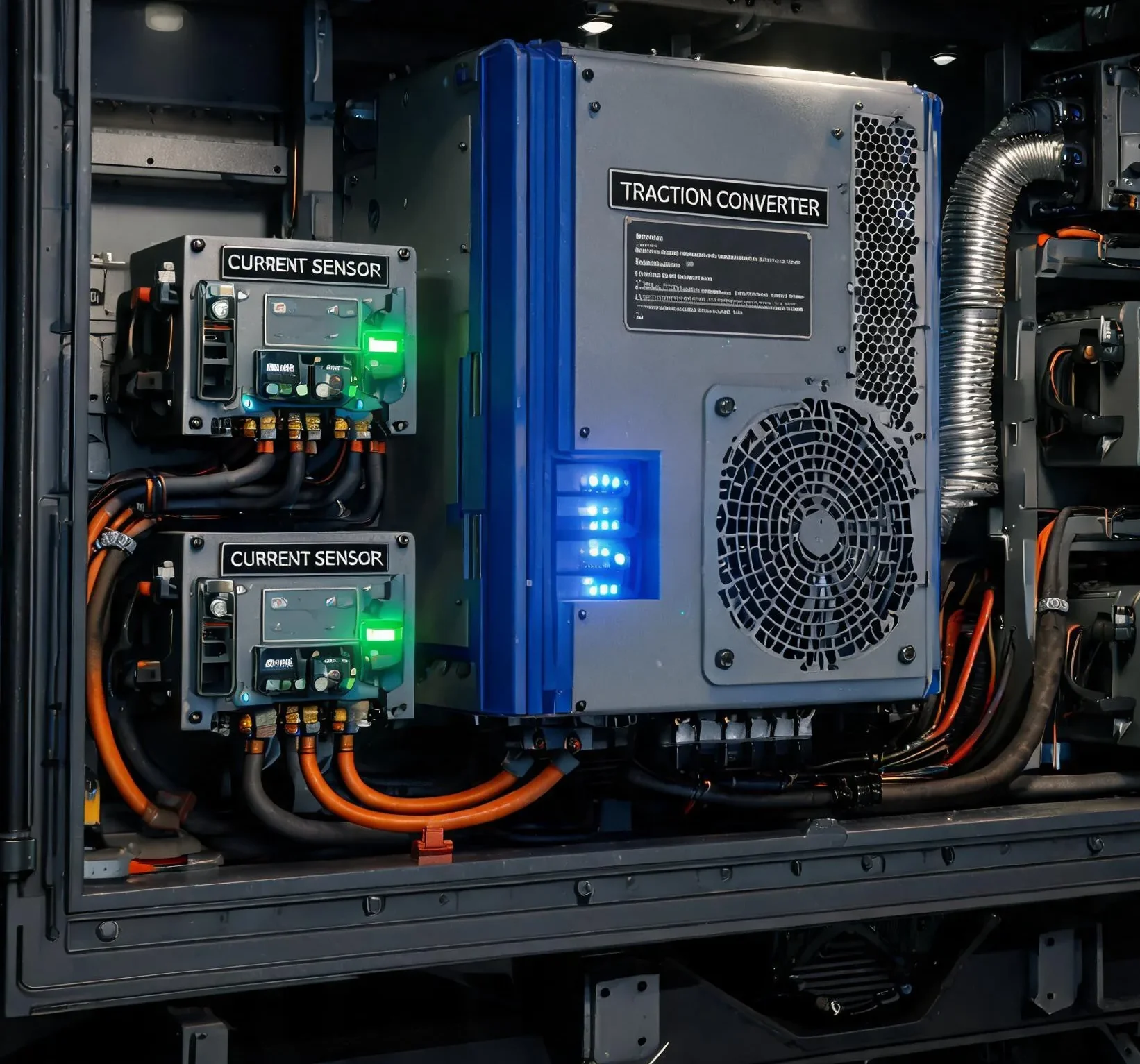
For both electric or diesel-electric trains, traction is provided by electric motors driven by inverters that rely on LEM traction sensors to measure, optimize, and adjust the power sent to the motors, improving performance and reliability of the whole system.
LEM transducers provide control and protection signals to power converters and inverters that regulate energy both to the electric motors (for propulsion) and to the auxiliaries (for air-conditioning, heating, lighting, electrical doors, ventilators, etc).
Where to Measure Electrical Parameters On-Board
Energy Flow on AC Trains
On AC-trains, the energy flows from the pantograph into a transformer, which transforms the voltage to 2.8 kV or lower. After, a rectifier transforms the voltage from AC to DC. Voltage sensors and current sensors are used to measure the current and the voltage on the secondary side of the transformer and on the DC side.
Inverter & Motor Measurement
Inverters are used to transform the energy into the right voltage and current to drive the motors, usually one motor per axis or every second axis. Special differential transducers are implemented at the secondary side of the transformer to detect any leakage current flowing in the train.
Auxiliary Systems
Besides the main drive, additional inverters are used for heating, air-conditioning, and ventilation. These auxiliary inverters are normally placed under the roof or under the car body of a traction vehicle. Sensors are used to measure the motor currents and to optimize their efficiency.