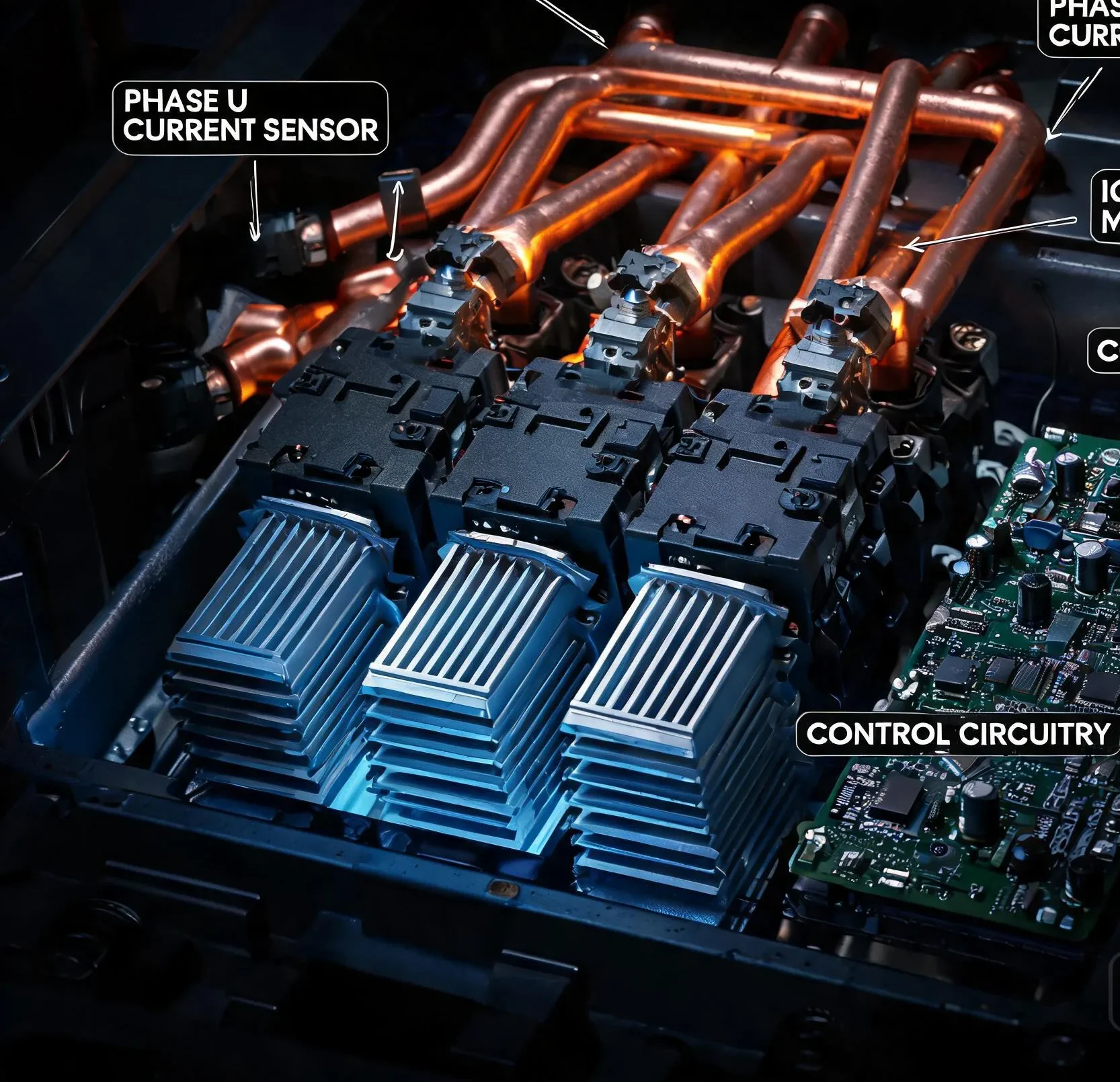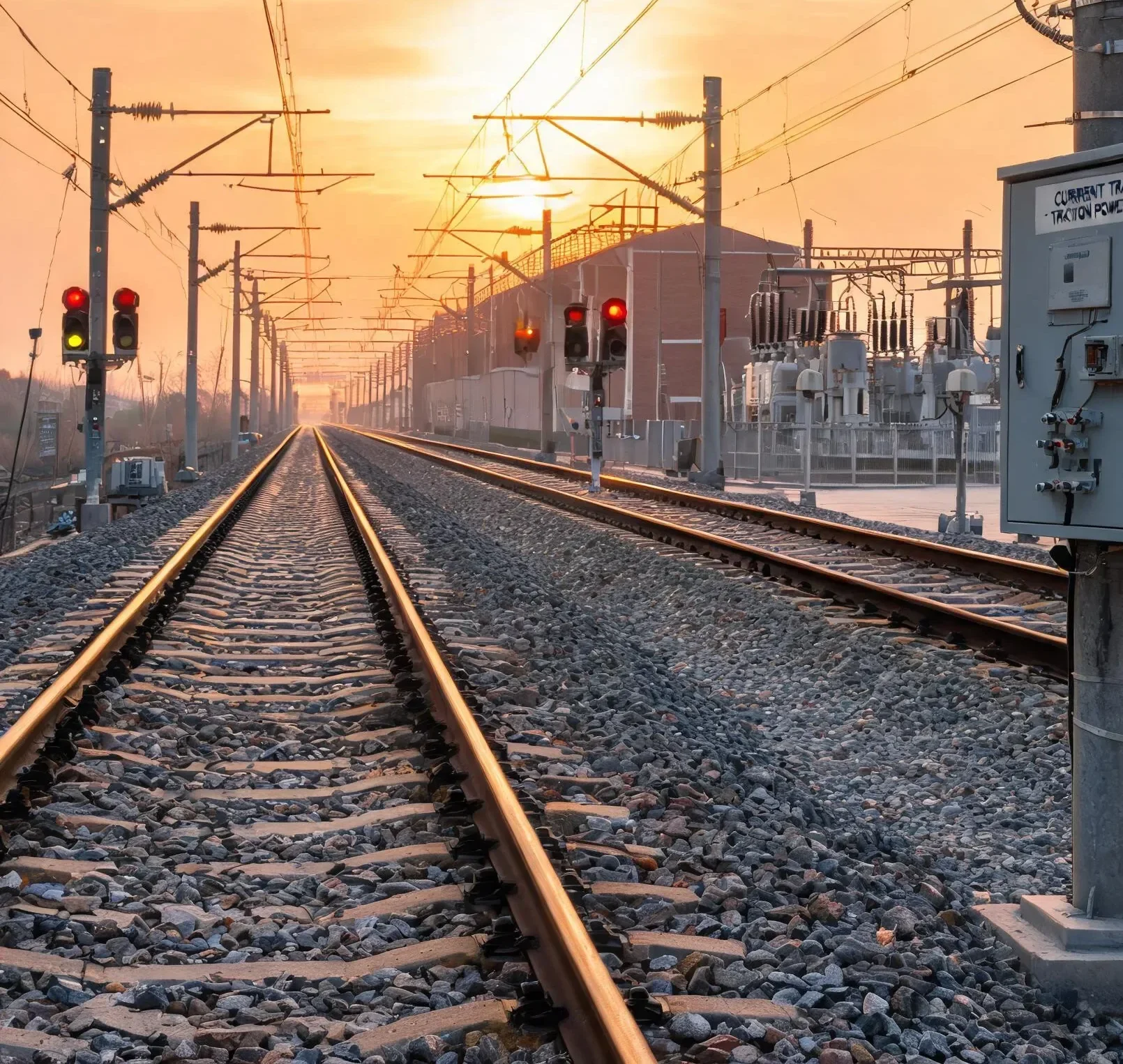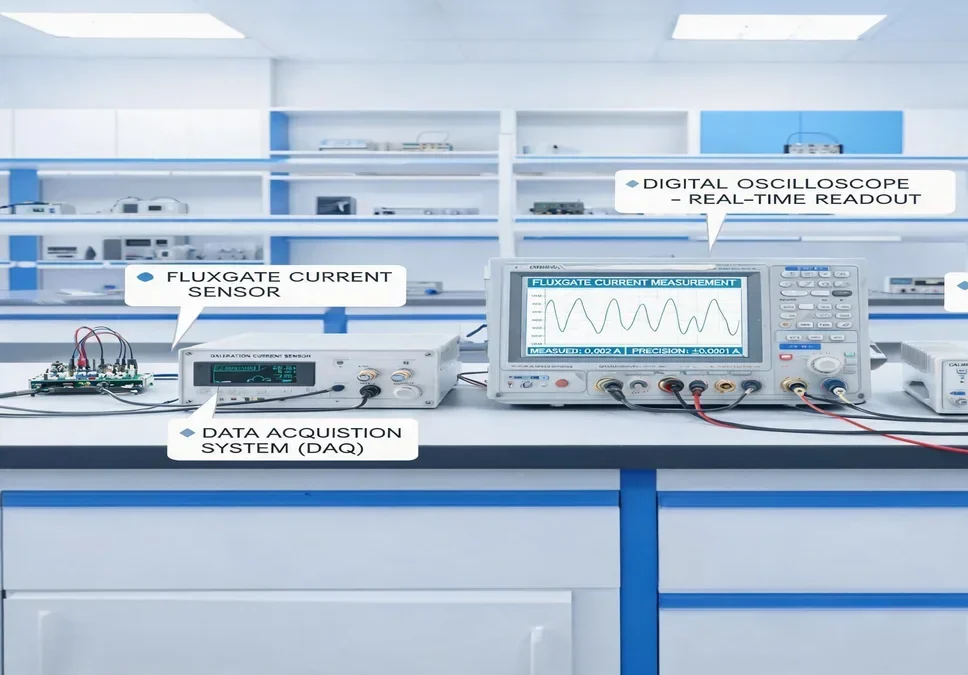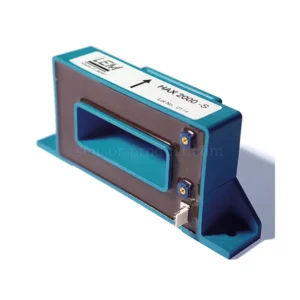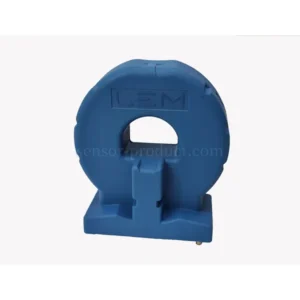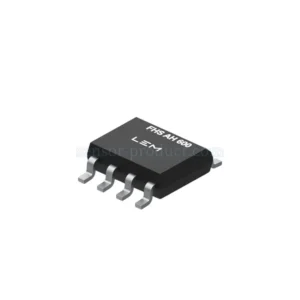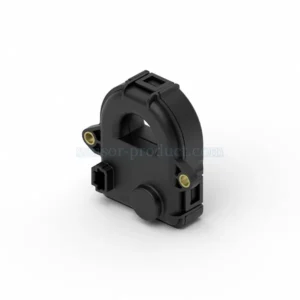
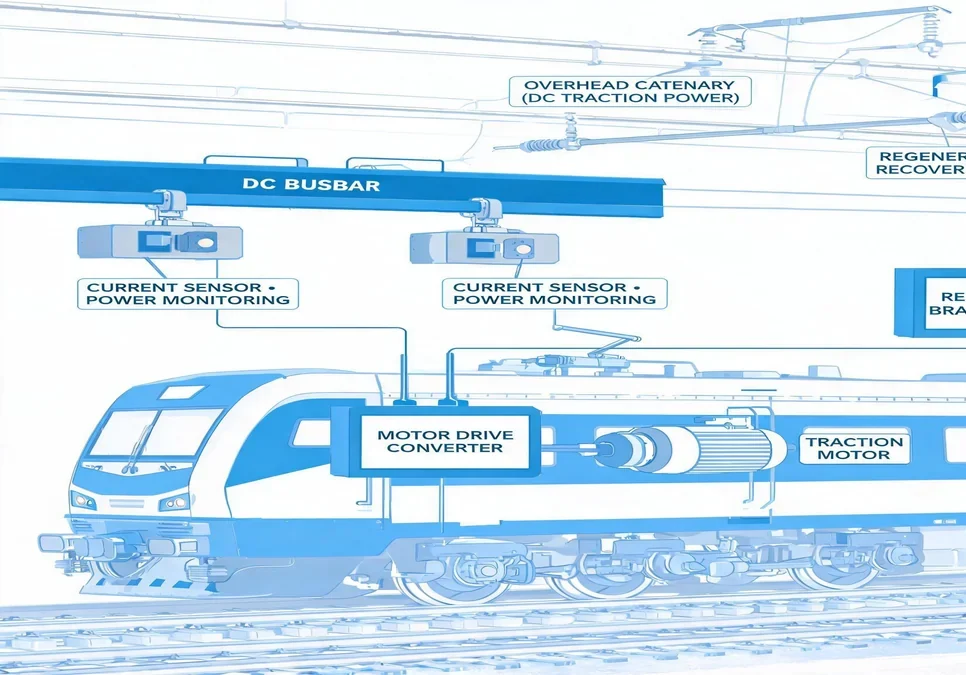
Rail transit traction current sensors provide high precision current measurement for electric locomotive power monitoring systems. These sensors monitor DC busbar current, motor drive converter current, and regenerative braking current in traction systems, supporting traction efficiency optimization, energy management, and predictive maintenance.
Traction System Current Monitoring

Related product category: Rail Transit Traction Current Sensors
DC Busbar Current Measurement
Electric locomotives draw power from overhead catenary lines or third rail systems, with DC busbar current serving as a key operational parameter. High precision current sensors monitor busbar current in real-time, providing data for traction control, protection relay operation, and energy consumption accounting. The robust industrial design ensures reliable operation in harsh railway environments with vibration, temperature extremes, and electromagnetic interference.
Motor Drive Converter Current Control
Traction motor drive converters require precise current measurement for vector control and torque regulation. The IIT series industrial-grade current sensors, with 0.02% accuracy and 100kHz bandwidth, provide the feedback signal for converter current control loops. This precision enables smooth torque control, reduces mechanical stress on drivetrain components, and improves passenger comfort through better acceleration and braking characteristics.
Regenerative Braking Energy Recovery
Modern electric locomotives recover braking energy through regenerative braking, feeding power back into the traction supply network. Current sensors monitor bidirectional current flow during braking operations, enabling accurate energy accounting and ensuring that regenerated power meets quality standards for grid re-injection. This measurement supports energy efficiency initiatives and reduces overall railway operating costs.
Trackside Monitoring Applications
Beyond onboard applications, current sensors are used in trackside monitoring systems for track circuit monitoring, train detection, and infrastructure health assessment. The sensors provide data for preventive maintenance programs, helping to identify developing faults before they cause service disruptions. This proactive approach to maintenance improves system reliability and reduces lifecycle costs.
Industrial Grade Sensor Specifications
| Parameter | IIT Series | HIT Series |
|---|---|---|
| Technology | Fluxgate | Fluxgate (Hall replacement) |
| Accuracy | 0.02% | 0.02% / 0.05% |
| Current Range | 10A – 1500A | 30A – 1500A |
| Bandwidth | 100kHz | 100kHz |
| Zero Drift | 2ppm | 2ppm |
| Temperature Drift | 0.1ppm/°C | 0.1ppm/°C |
| Power Supply | ±15V | ±15V / ±24V |
| Aperture | 26mm – 42mm | 22mm – 45mm |
Railway Industry Standards and Compliance
Rail transit current sensors must comply with stringent industry standards including EN 50121 (railway EMC), EN 50155 (railway electronic equipment), and relevant national railway standards. The sensors undergo type testing for vibration, shock, temperature cycling, and electromagnetic compatibility. The robust design and high accuracy of fluxgate current sensors make them suitable for both mainline railway and urban transit applications, contributing to the safety, efficiency, and reliability of modern rail transportation systems.