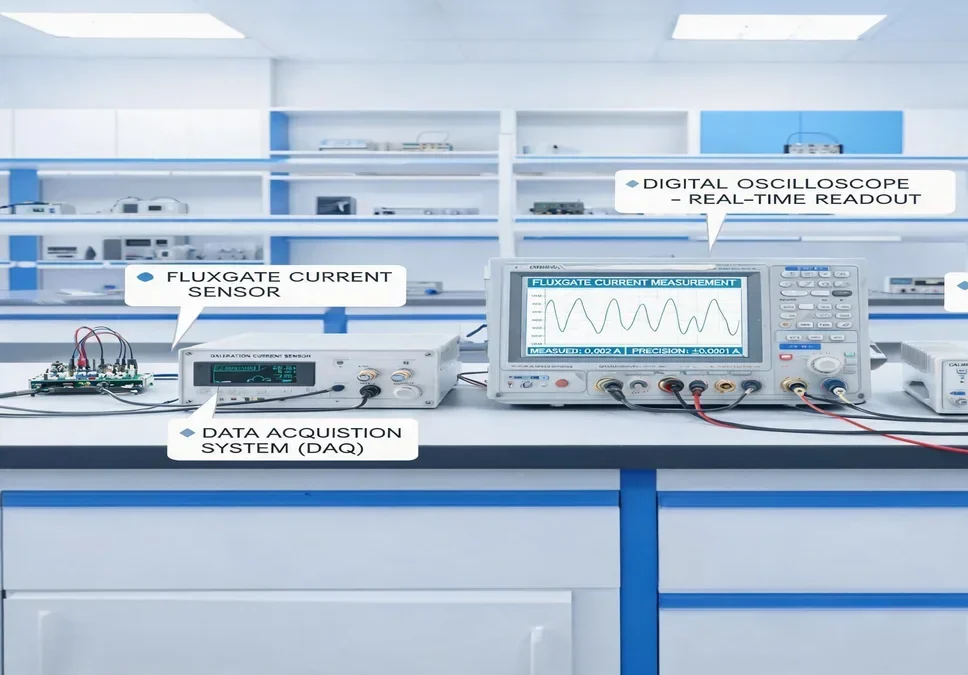
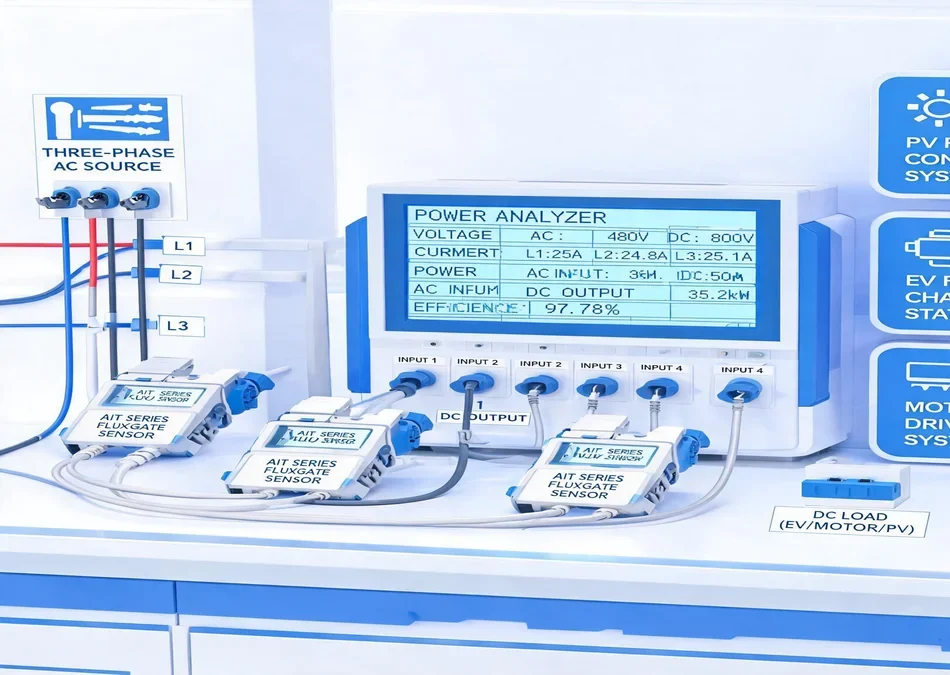
Power analyzers (also known as electrical parameter analyzers) are instruments used to measure electrical power and related parameters, primarily for testing the power and efficiency of power conversion devices such as motors and inverters. The principle is based on the power relationship P=UI, requiring simultaneous measurement of current and voltage. When measuring current, two methods are available: direct input and sensor input.
Power Analyzer Test Platform Architecture

Related product category: Current Sensor Integration with Power Analyzer Test Platforms
Direct Input vs Sensor Input Methods
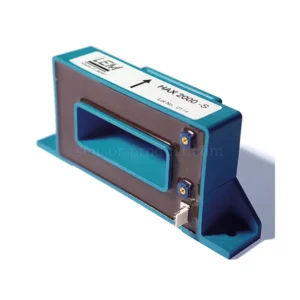
The direct input method is simple, but when current exceeds 5A, it is susceptible to conductor heating and wiring impedance effects that compromise accuracy. In practical testing, most applications use current sensors to build test platforms, achieving more stable and precise measurements through sensor signal conversion. High precision fluxgate current sensors offer significant advantages in this configuration.
EV Fast Charging Power Measurement
Electric vehicle fast charging stations require precise power measurement for billing accuracy and system efficiency evaluation. Current sensors integrated with power analyzers provide real-time monitoring of charging power, energy transfer efficiency, and power quality parameters. The 10ppm accuracy of fluxgate sensors ensures measurement traceability and compliance with metrological standards.
Motor Drive System Efficiency Testing
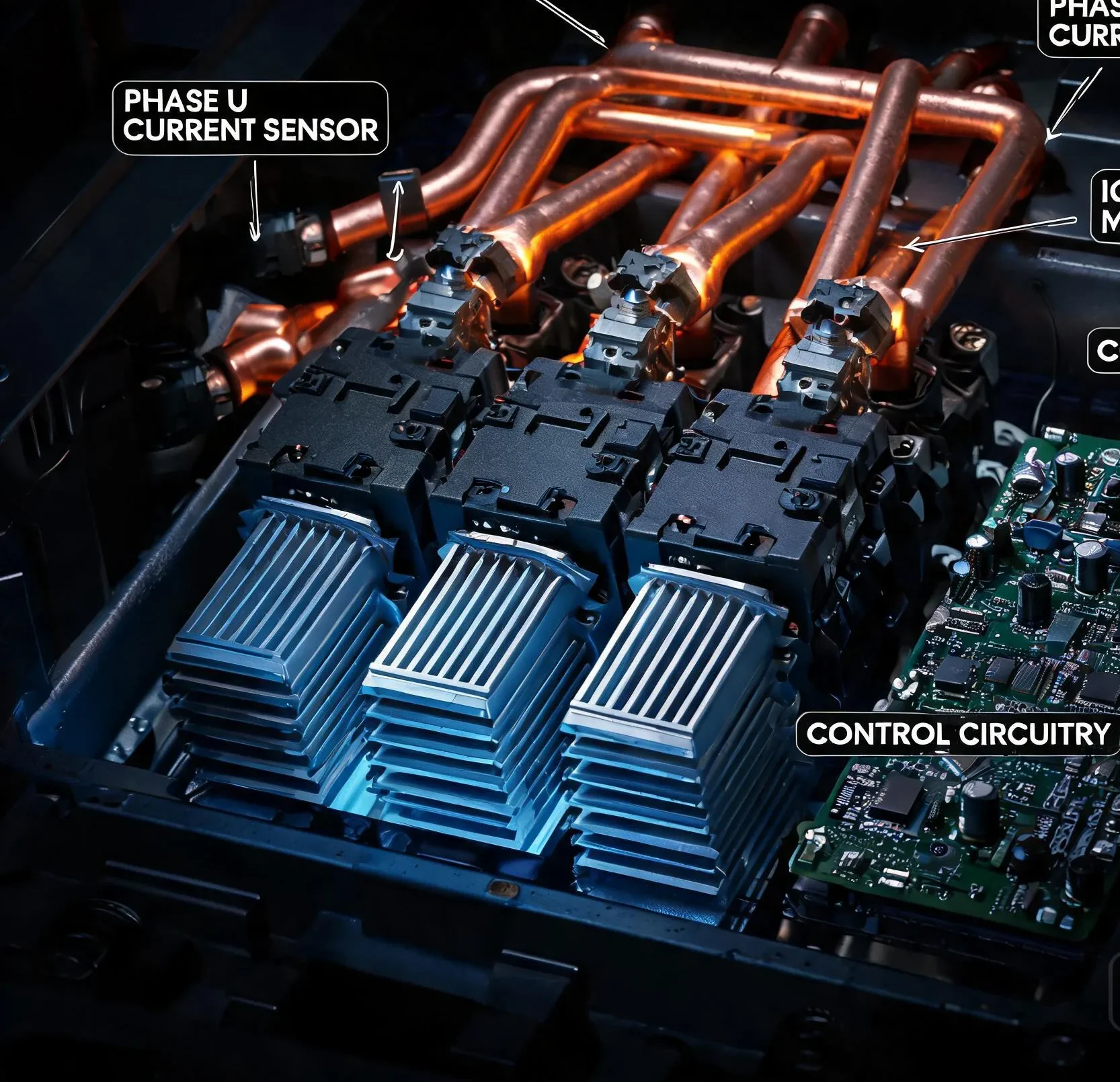
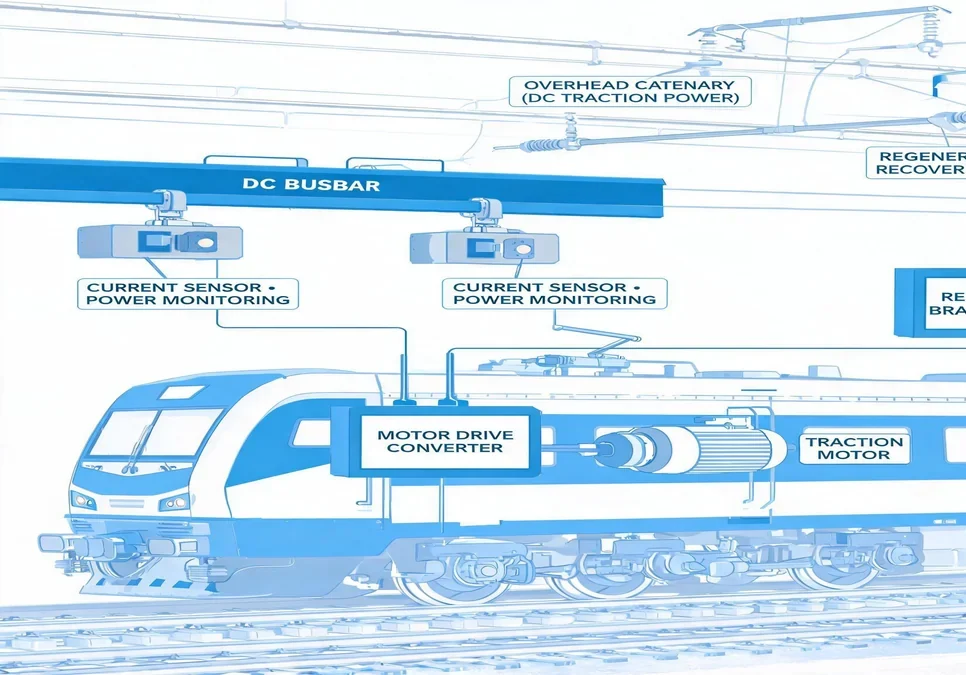
Motor drive systems in industrial automation and electric vehicles require comprehensive efficiency testing. Current sensors measure input and output current at various stages of the power conversion chain, enabling calculation of motor efficiency, inverter efficiency, and overall system efficiency. The wide bandwidth (up to 500kHz) of fluxgate sensors captures high-frequency components essential for accurate power measurement.
Photovoltaic Power Conversion System Testing
Photovoltaic power conversion systems (PCS) require current sensors for DC input measurement, AC output measurement, and conversion efficiency calculation. The high accuracy and wide dynamic range of fluxgate current sensors make them ideal for characterizing PCS performance across various operating conditions, from low irradiance to peak production.
Sensor Selection for Power Analyzer Integration
| Parameter | AIT Series (Current Output) | AIT-10V Series (Voltage Output) |
|---|---|---|
| Accuracy | 10ppm | 50ppm |
| Current Range | 60A – 10000A | 10A – 1500A |
| Output Signal | 100mA – 2000mA | ±10V |
| Bandwidth | 500kHz | 500kHz |
| Aperture | 25mm – 120mm | 25mm – 38mm |
| Power Supply | ±15V / AC 220V | ±15V |
Best Practices for Test Platform Setup
When building a power analyzer test platform with current sensors, consider the following: select sensor range matching the test current for optimal accuracy; ensure proper wiring to minimize parasitic effects; account for sensor phase delay in power calculation; perform regular calibration to maintain measurement traceability. The fluxgate current sensors, with their low zero drift (2ppm) and temperature drift (0.1ppm/°C), provide long-term stability essential for reliable test results.