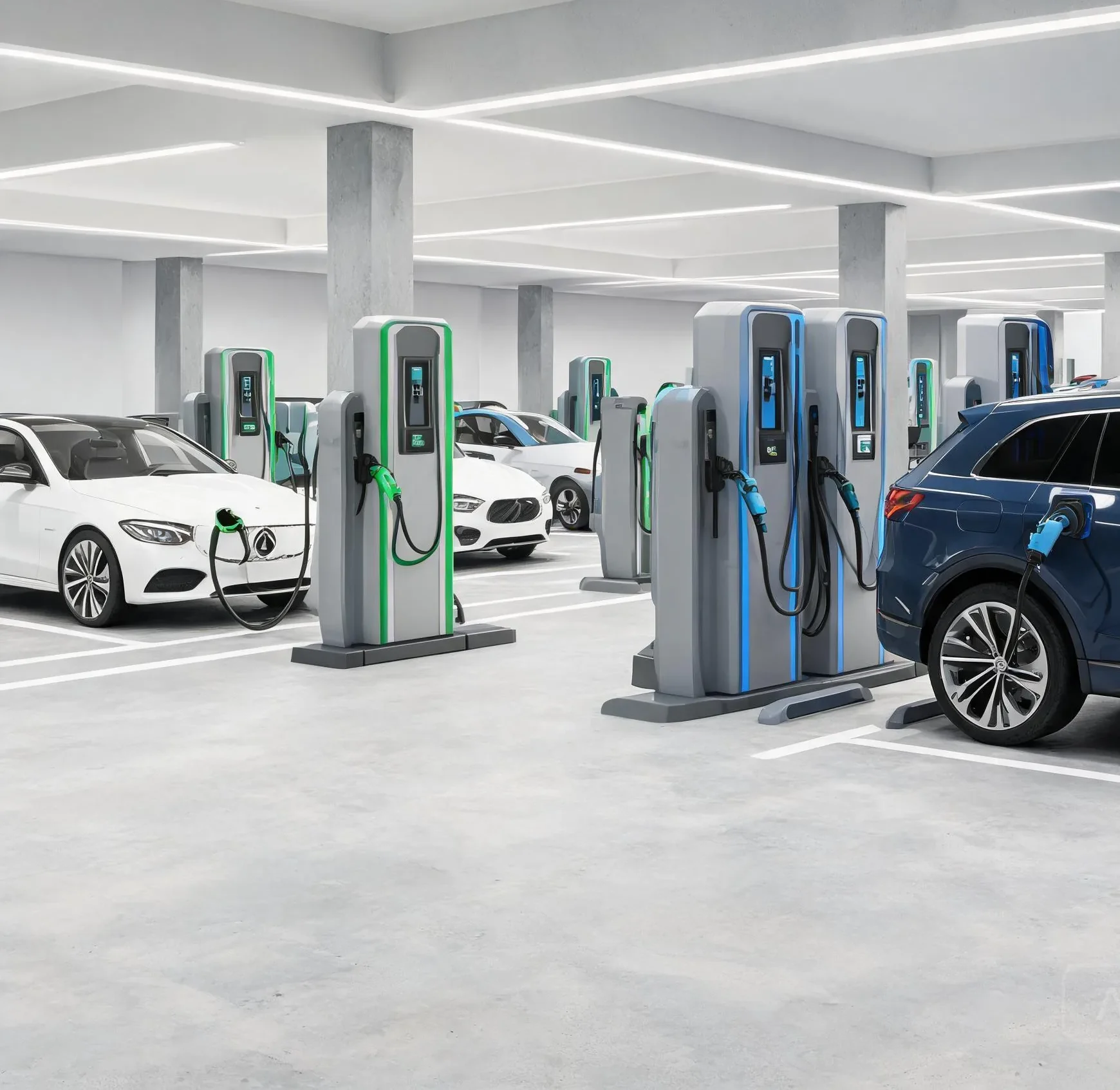
Understanding EVSE: The Foundation of EV Charging
Electric Vehicle Supply Equipment (EVSE) is the infrastructure that safely supplies electrical energy to charge electric vehicles. While commonly called “charging stations,” EVSE is more accurately described as the intelligent power delivery system that communicates with the vehicle, controls power flow, and ensures safety during the charging process.
EVSE encompasses a wide range of equipment, from simple residential wallboxes to complex commercial DC fast charging stations. The common thread is the need for precise current measurement to ensure safe, efficient, and billable charging operations.
AC vs DC Charging: Key Differences
AC Charging (Level 1 & Level 2)
AC EVSE delivers alternating current to the vehicle’s onboard charger, which converts it to DC for battery charging. Power levels range from 1.4 kW (Level 1, household outlet) to 22 kW (Level 2, commercial wallbox). AC charging is ideal for overnight residential charging and workplace charging where vehicles are parked for extended periods.
DC Fast Charging (Level 3)
DC EVSE bypasses the onboard charger and delivers direct current straight to the battery. Power levels range from 50 kW to 350+ kW, enabling charging times of 20–30 minutes. DC fast charging is essential for highway corridors, fleet operations, and commercial charging hubs where rapid turnaround is critical.
Current Sensing in EVSE Applications
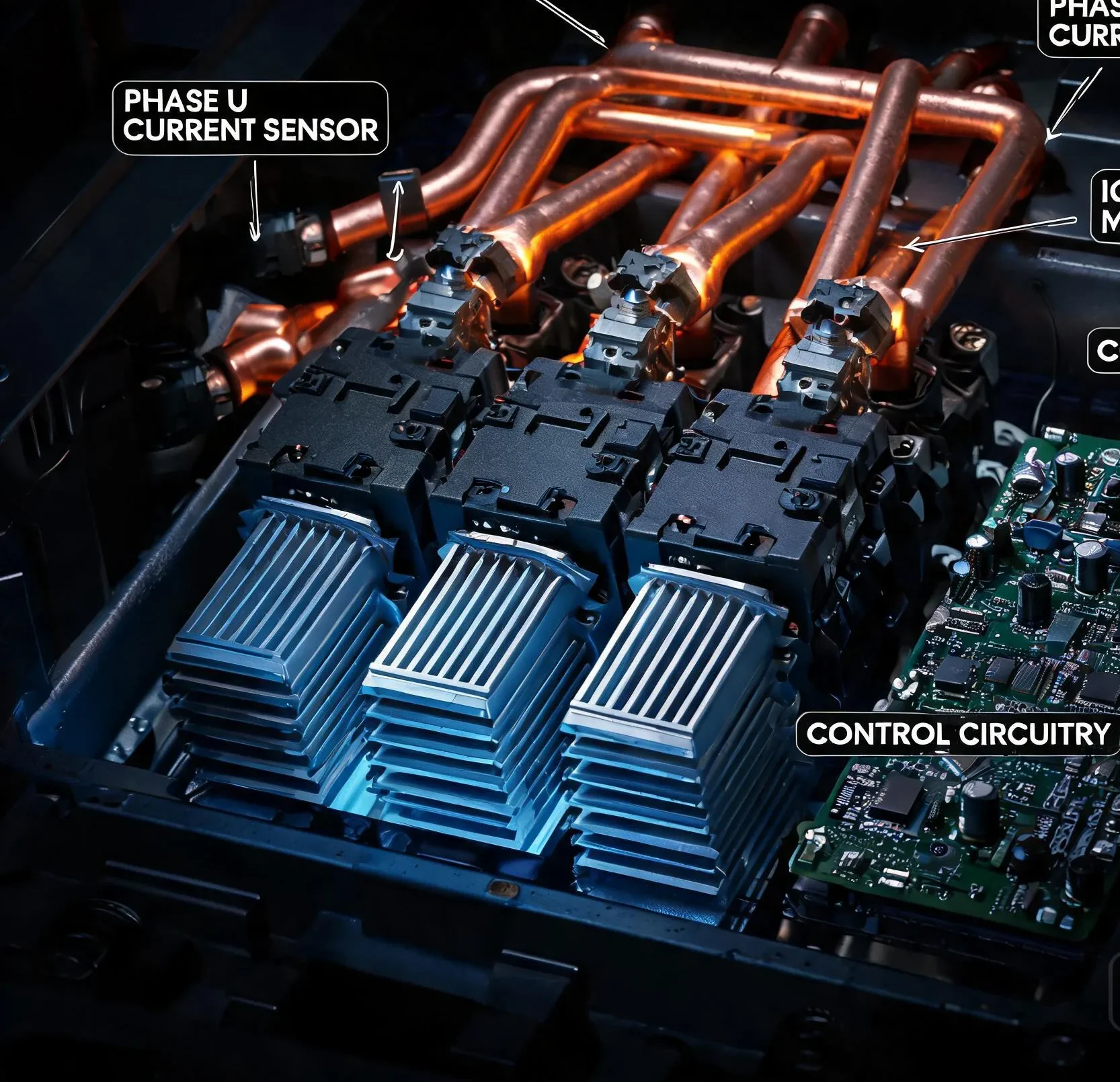
Current sensors are critical components in all types of EVSE, serving multiple essential functions:
- Energy metering: accurate measurement for billing and energy accounting
- Leakage current detection: ensuring user safety through residual current monitoring
- Fault protection: detecting overcurrent, short circuit, and ground fault conditions
- Power control: enabling closed-loop regulation of charging current
- Communication: providing current data to the vehicle via the charging protocol
LEM Solutions Across the EVSE Spectrum
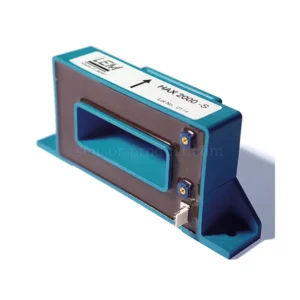
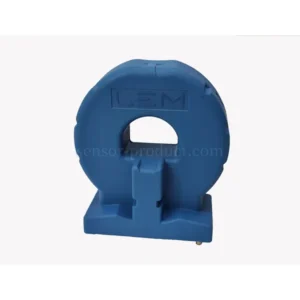
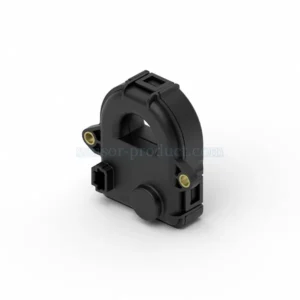
LEM provides current and voltage transducers for every segment of the EVSE market. From the CDSR leakage current sensors in residential AC wallboxes to the HASS and HTB series in commercial DC fast chargers, LEM’s portfolio covers the full range of power levels, voltages, and accuracy requirements. This comprehensive offering enables EVSE manufacturers to source all their current sensing needs from a single, trusted supplier.