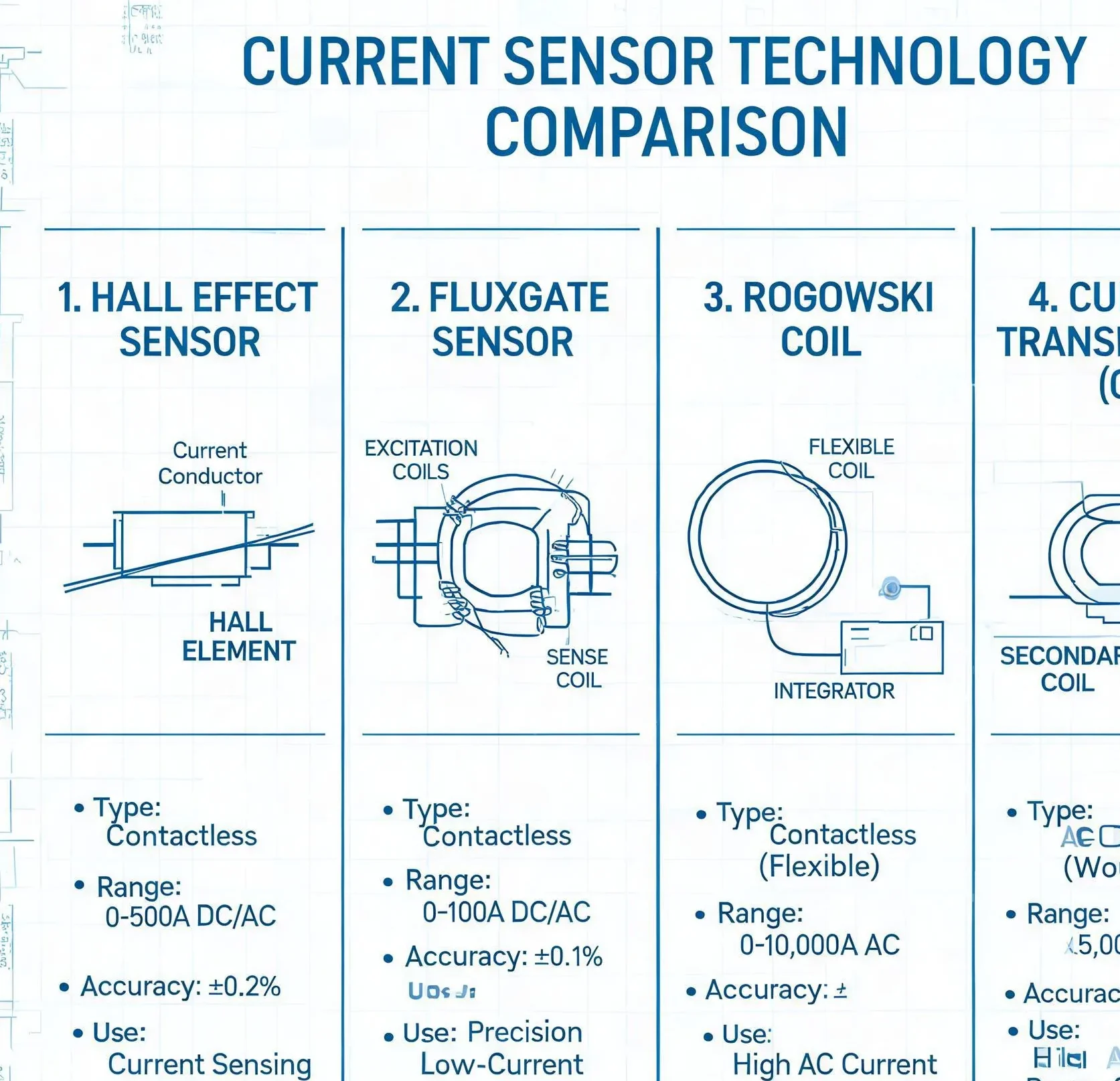
Sensor Selection Guidelines
Before selecting a sensor, consider the following aspects to ensure optimal performance for your application.
Application & Industry
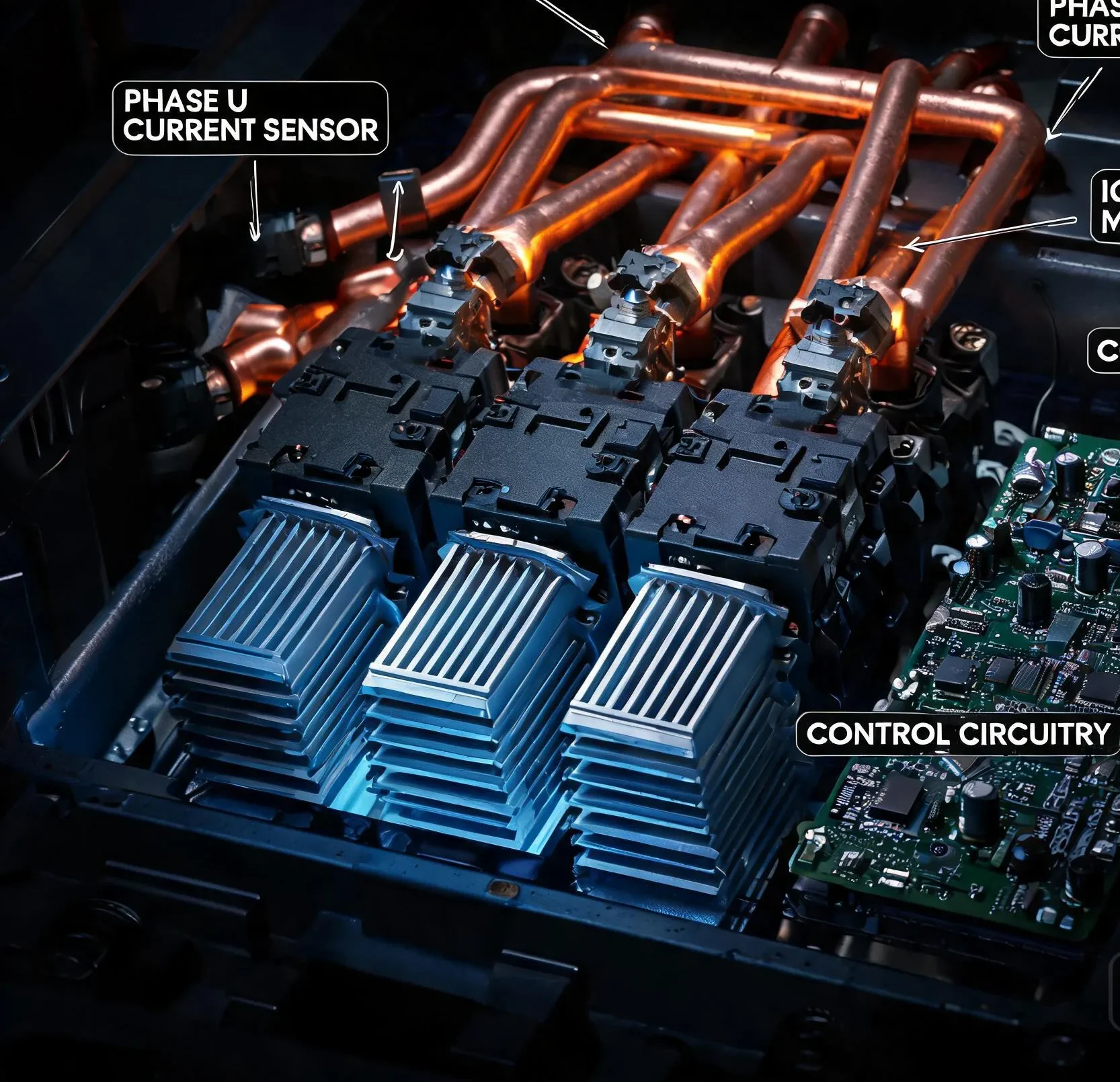
Target industries: Frequency converters (inverters), UPS and communication power supplies, new energy (renewable energy), welding machines, etc.
Signal usage:
- Control → requires high accuracy and fast response time
- Protection → requires fast response time
- Display → output signal type (voltage or current)
Key Selection Parameters
- Primary signal: Rated current or voltage of the primary conductor
- Output signal: Accuracy, linearity, response time, bandwidth
- Mounting method: Mechanical installation type
- Input/Output wiring: Type of connectors or terminals
- Environmental conditions: Temperature range, electromagnetic interference
Application Areas and Recommended Sensors
Frequency Converters (Inverters)
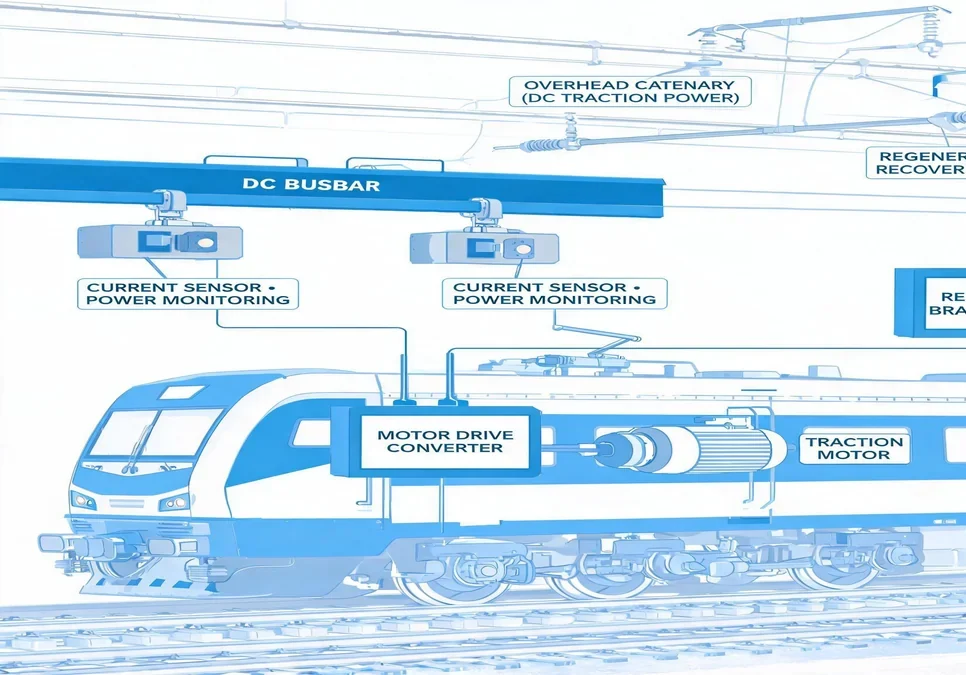
Widely used in transportation, petrochemicals, home appliances, papermaking, textiles, military, elevators, machine tools, variable-frequency air conditioners, washing machines, fans, electric vehicles, radar, etc.
Advantages: High efficiency, energy saving, intelligent automation, safety, and reliability.
UPS and Communication Power Supplies
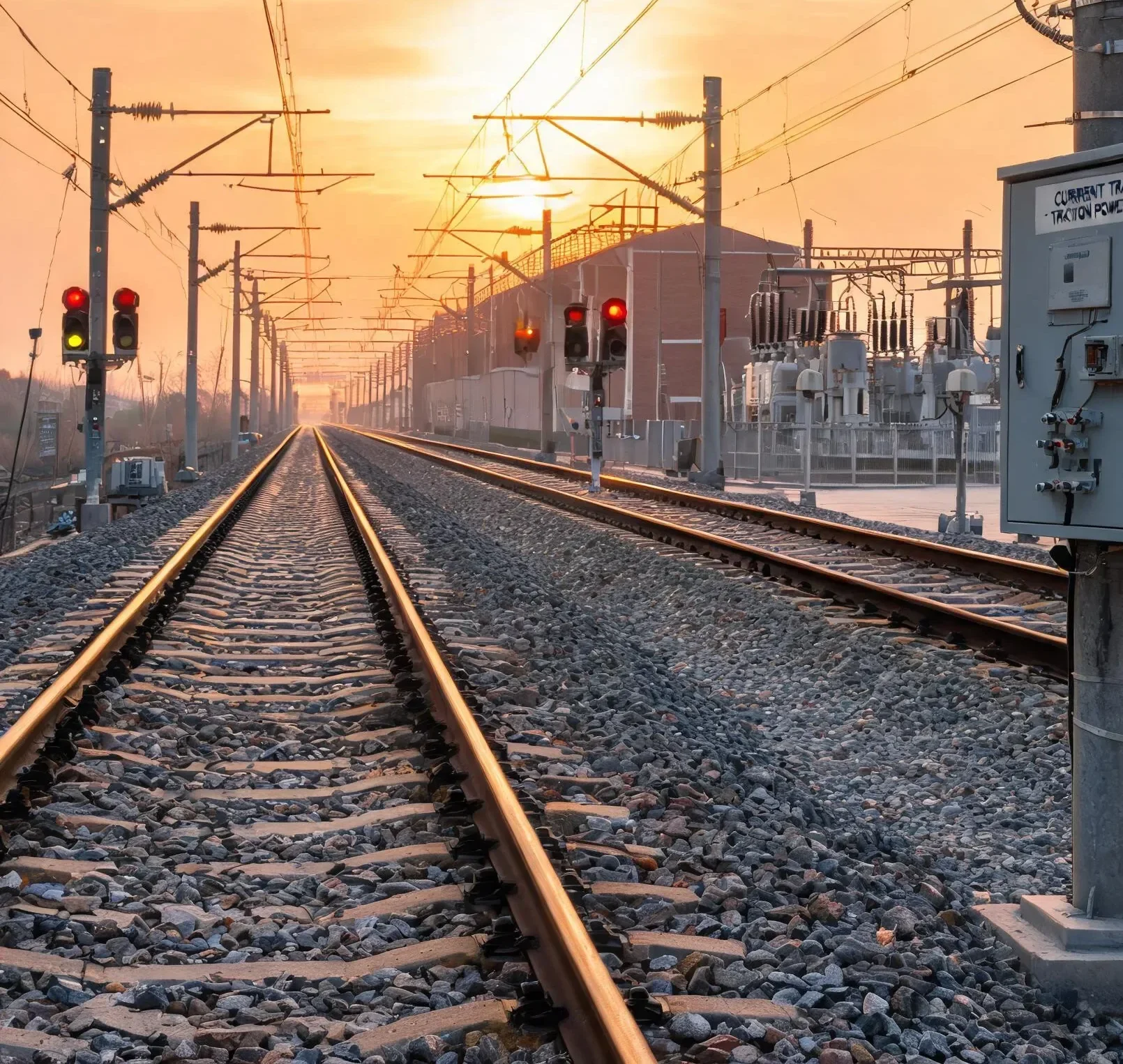
UPS is widely used in networks, servers, hospitals, banking, etc. Communication power supplies are applied in telecommunications, mobile communications, broadcasting, public security, railways, transportation, petroleum, and other fields.
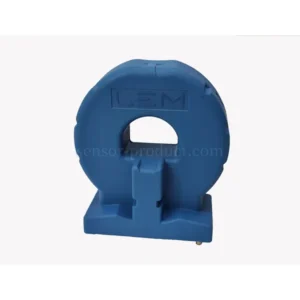
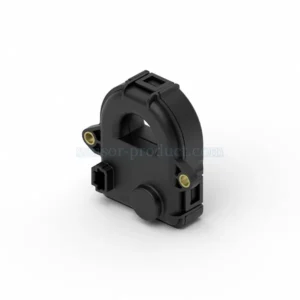
Recommended sensors: HAS-S/SP** series, HOP-SB series, LA58, LT08 series (current); LV25-P/SP**, LV28-P series (voltage)
New Energy — Wind Power Generation
Generator power ratings: 1500 kW, 1200 kW, 750 kW, etc.
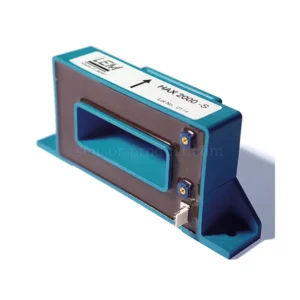
Recommended sensors: HAX, HAT series; LT, LF series (current); LV series, CV series (voltage)
New Energy — Solar Power Generation
Recommended sensors: HX, HXS series; LTS, LTSR series; CT series (current); LV28 series (voltage)
Welding Machines
General welding: HAS-S/SP* series or HAS-S/SP50 series; LT08 series
Submerged arc welding: BLFK-S* series, HOP series, HTR series
Power Range Sensor Selection
| Power Range | Recommended Sensor Series |
|---|---|
| High power (>500 A) | HAT series; LF, LT series |
| Medium power (50–500 A) | LA, LAH, LT08 series; HAS-S/SP** series |
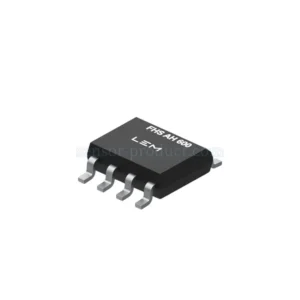
| Low power (<50 A) | HX, HXS, HMS series; LTSR series; FHS40-S/SP600 |
Main Parameter Introduction
Primary Current/Voltage Ratings
Rated primary current (IPN) or rated primary voltage (VPN) — in RMS value. The sensor can operate continuously at or below this rating.
Measuring Range
Measuring range (IP or VP) — peak value. Note the difference between open-loop and closed-loop sensors in terms of measuring range.
Measuring Resistor / Load Resistor
Closed-loop sensors: RM converts the current output into a voltage signal. Open-loop sensors: RL limits the output current within the allowable range.
Accuracy Calculation
Accuracy is specified under two basic conditions: rated primary current (IPN) and ambient temperature T = 25 °C. Factors affecting accuracy include:
- Zero offset (offset voltage/current)
- Linearity error
- Gain error
- Coil turns error
- Measuring resistor tolerance
- Hall device non-linearity
- Circuit linearity error
Bandwidth by Technology
- Open-loop sensors: up to 100 kHz
- Closed-loop sensors: up to 200 kHz
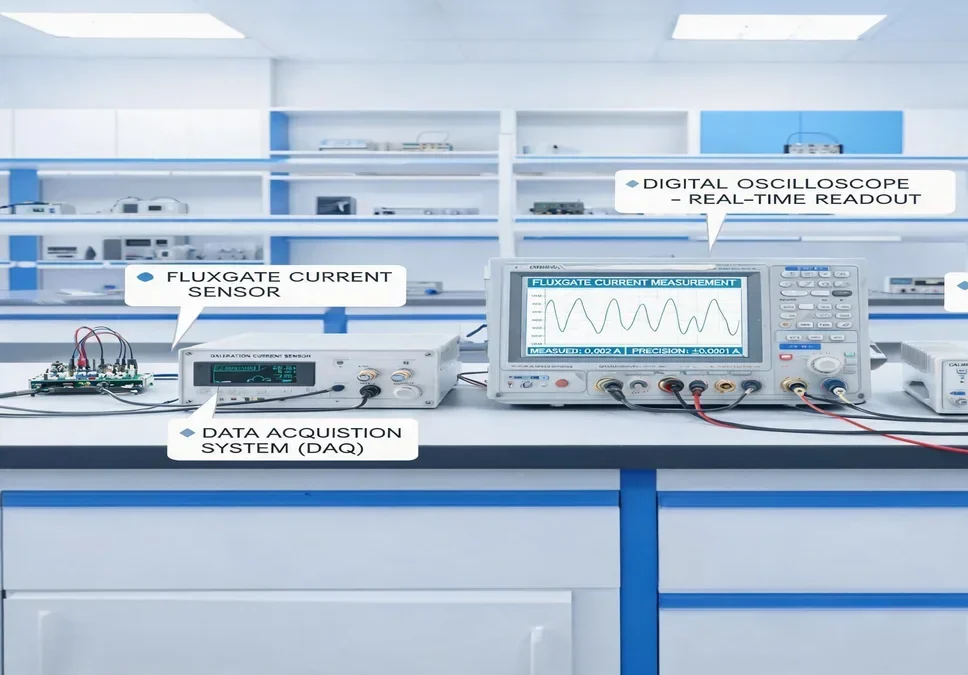
- Fluxgate (magnetic modulation) sensors: up to 500 kHz